
So You Want to Trade Forex. Where Do You Even Start?
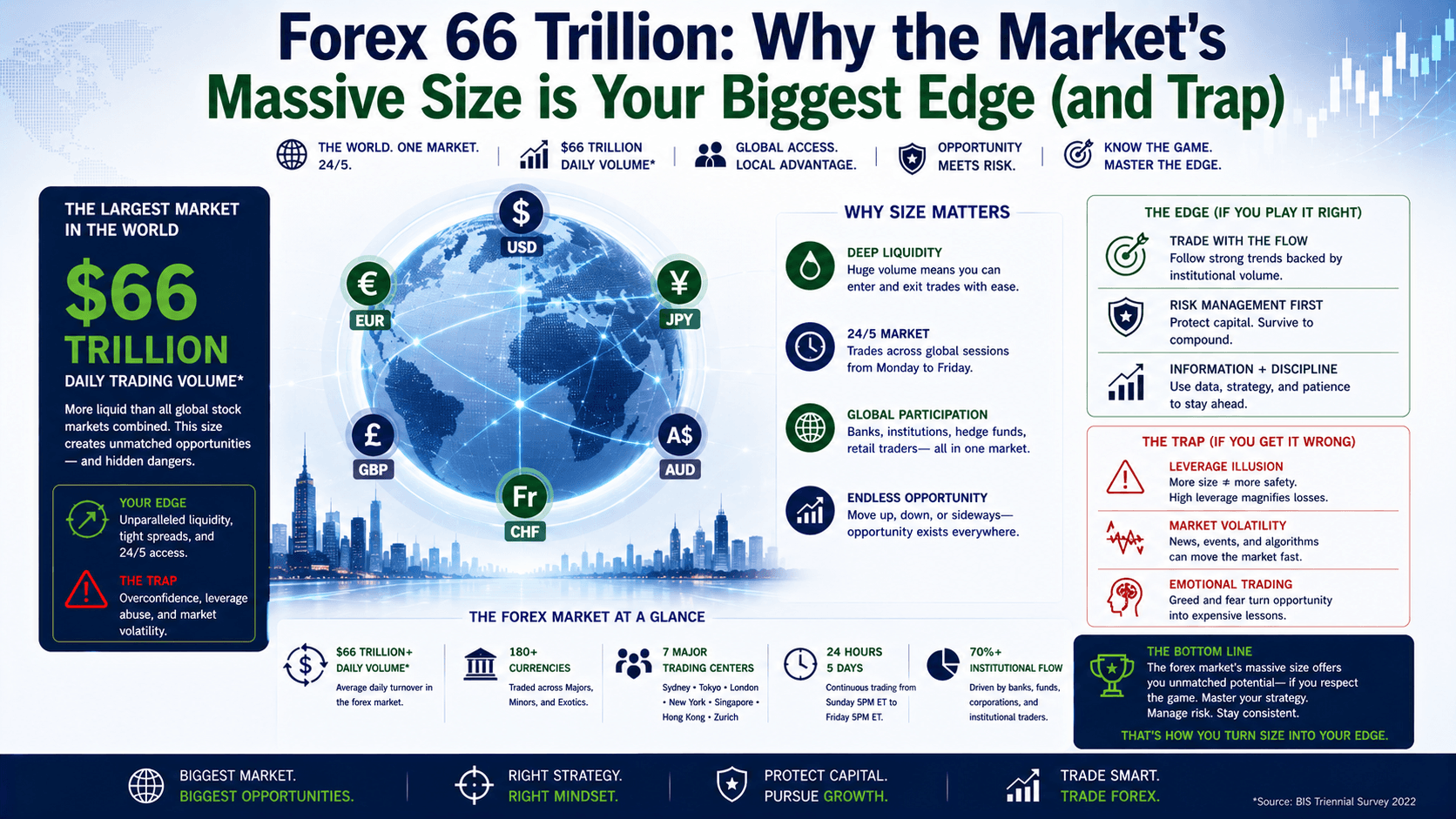
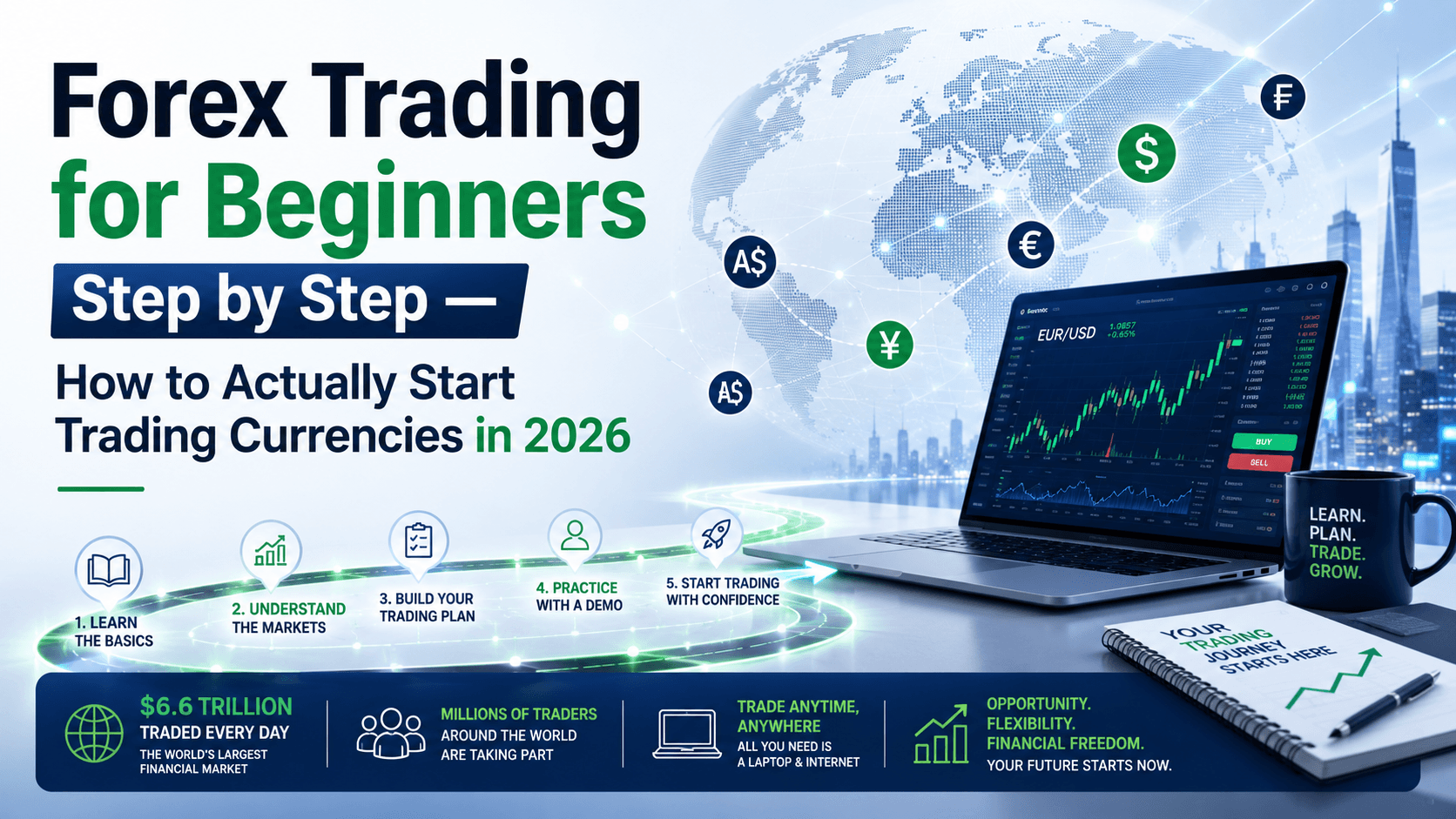
You've heard the numbers. $6.6 trillion traded every single day. People making money from their laptops. The freedom to trade whenever you want.
Sounds exciting, right?
But then you open a chart and see a mess of lines, numbers, and candlesticks. And suddenly it feels like everyone else knows something you don't.
Here's the truth: forex trading for beginners step by step doesn't have to be complicated. You just need someone to show you the right order — and skip all the fluff that most websites throw at you.
Let me walk you through it. No jargon. No textbook nonsense. Just real, practical steps.
What Is Forex Trading? (The Simple Version)
Forex trading is just exchanging one currency for another — but instead of doing it at the airport when you travel, you're doing it to profit from price changes.
Here's the thing: you never buy a single currency. You always trade in pairs. When you buy EUR/USD, you're buying euros and selling US dollars at the same time.
Think of it like this: if you believe the euro will get stronger compared to the dollar, you buy EUR/USD. If you think the dollar will get stronger, you sell it.
The most commonly traded pairs are called the majors:
- EUR/USD — Euro vs US Dollar (most traded in the world)
- GBP/USD — British Pound vs US Dollar
- USD/JPY — US Dollar vs Japanese Yen
- AUD/USD — Australian Dollar vs US Dollar
As a beginner, stick to these. They have the lowest costs and the most liquidity — meaning you can get in and out of trades easily.
Step 1: Learn the 3 Numbers That Matter (Pips, Lots, and Leverage)
Before you place a single trade, you need to understand three things. Most beginners skip this — and it costs them real money.
What's a Pip?
A pip is the smallest price movement in a currency pair. For most pairs, it's the fourth decimal place.
Example: EUR/USD moves from 1.0850 to 1.0851. That's 1 pip.
On a standard lot (100,000 units), 1 pip = $10.
On a mini lot (10,000 units), 1 pip = $1.
On a micro lot (1,000 units), 1 pip = $0.10.
See why lot size matters? A 50-pip move on a standard lot is $500. On a micro lot, it's just $5.
What's a Lot?
A lot is just a standardized unit size. You don't have to trade full standard lots. Most brokers let you trade as little as 0.01 lots (1,000 units).
That means you can start with very small amounts of risk while you learn.
What About Leverage?
Leverage is borrowed money from your broker that lets you control a larger position with a smaller deposit.
Example: With 50:1 leverage, a $1,000 deposit lets you control $50,000 worth of currency.
Sounds great, right? Here's the catch — leverage works both ways. It amplifies profits AND losses.
⚠️ Common mistake: Beginners see leverage as "free money." It's not. If your trade moves against you by 2%, you lose your entire $1,000 deposit. Use low leverage (like 10:1 or 20:1) when you're starting out.
Step 2: Pick a Broker and Open an Account
You can't trade forex without a broker — the platform that gives you access to the market.

Here's what to look for:
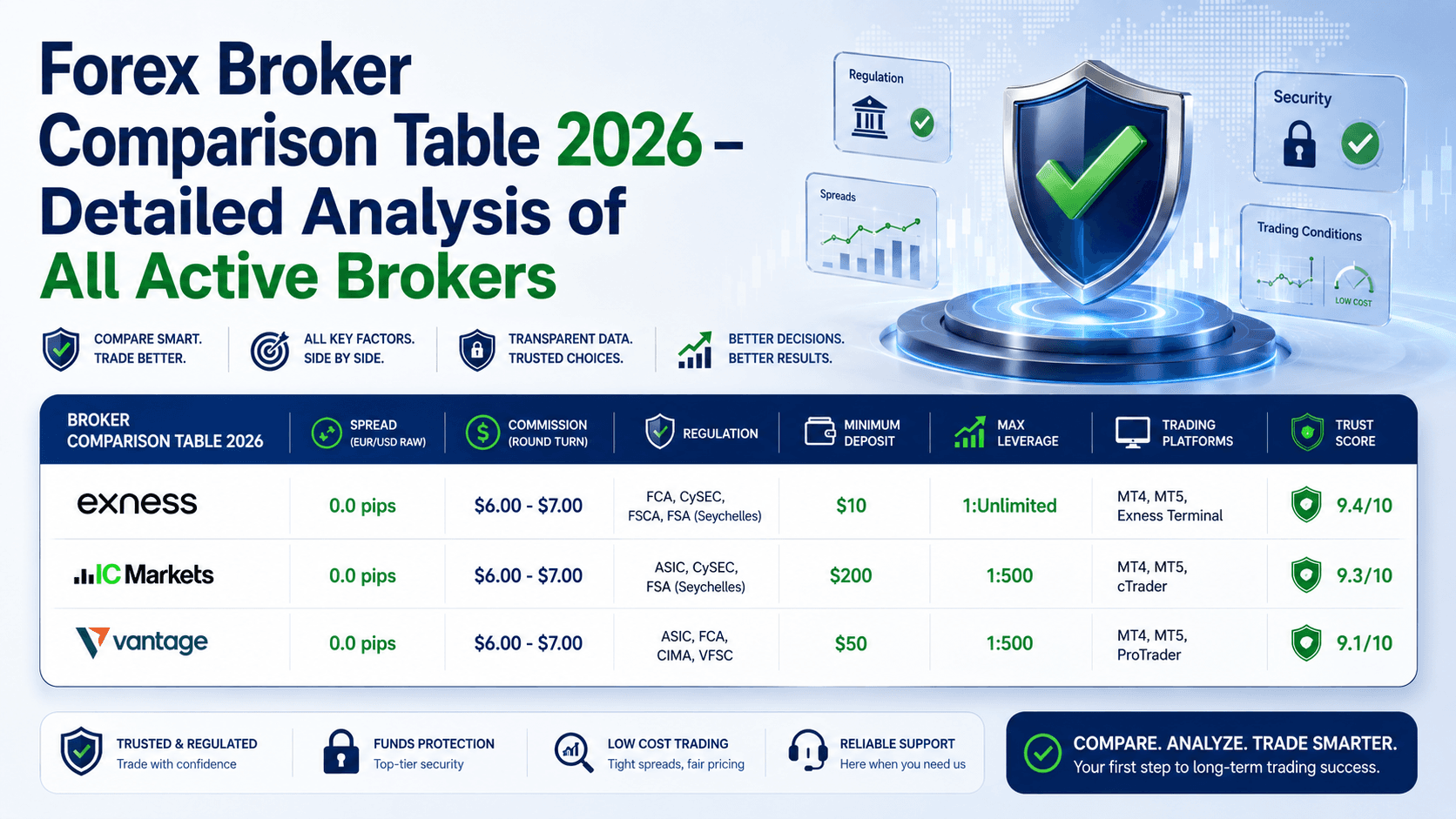
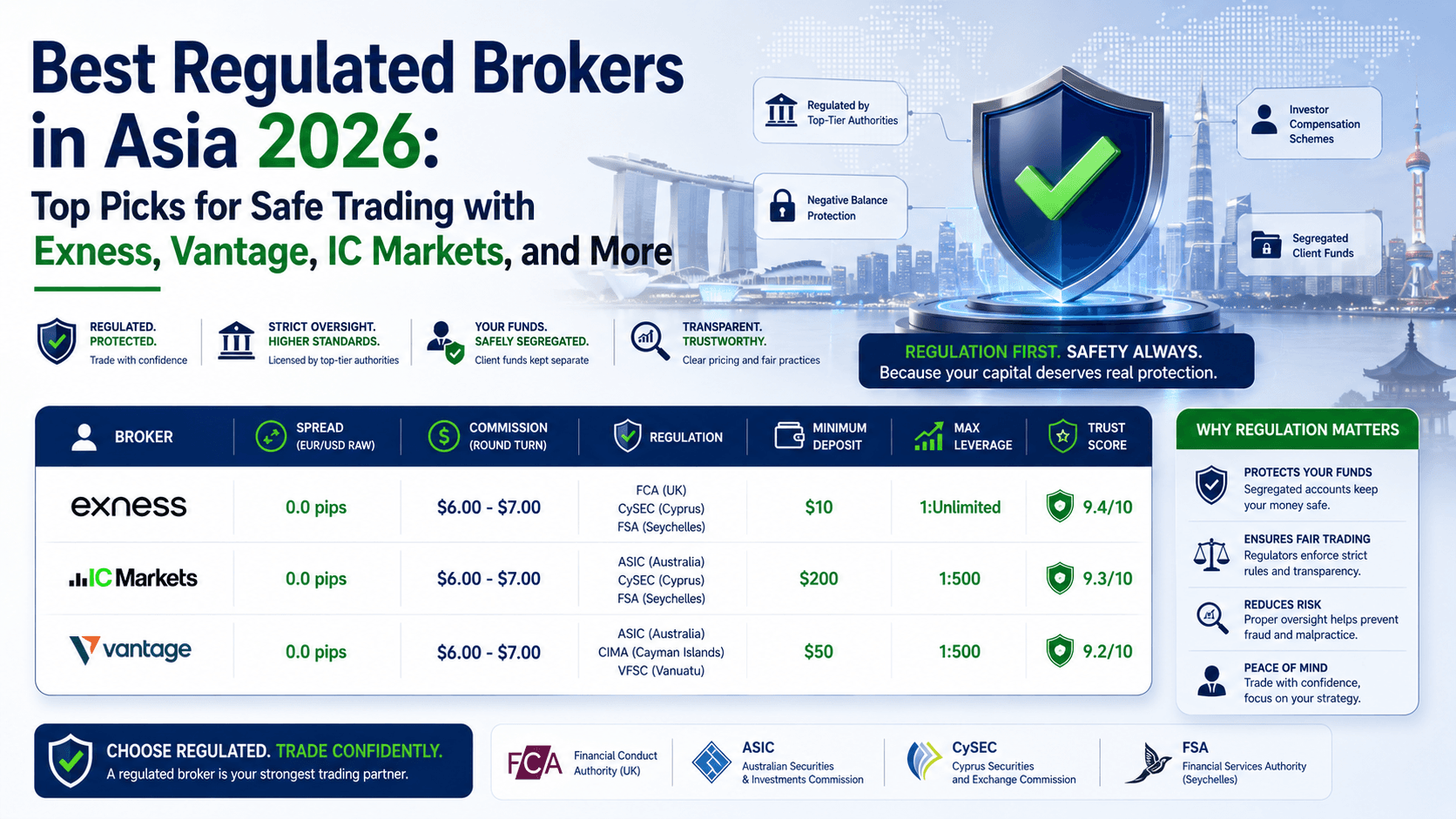
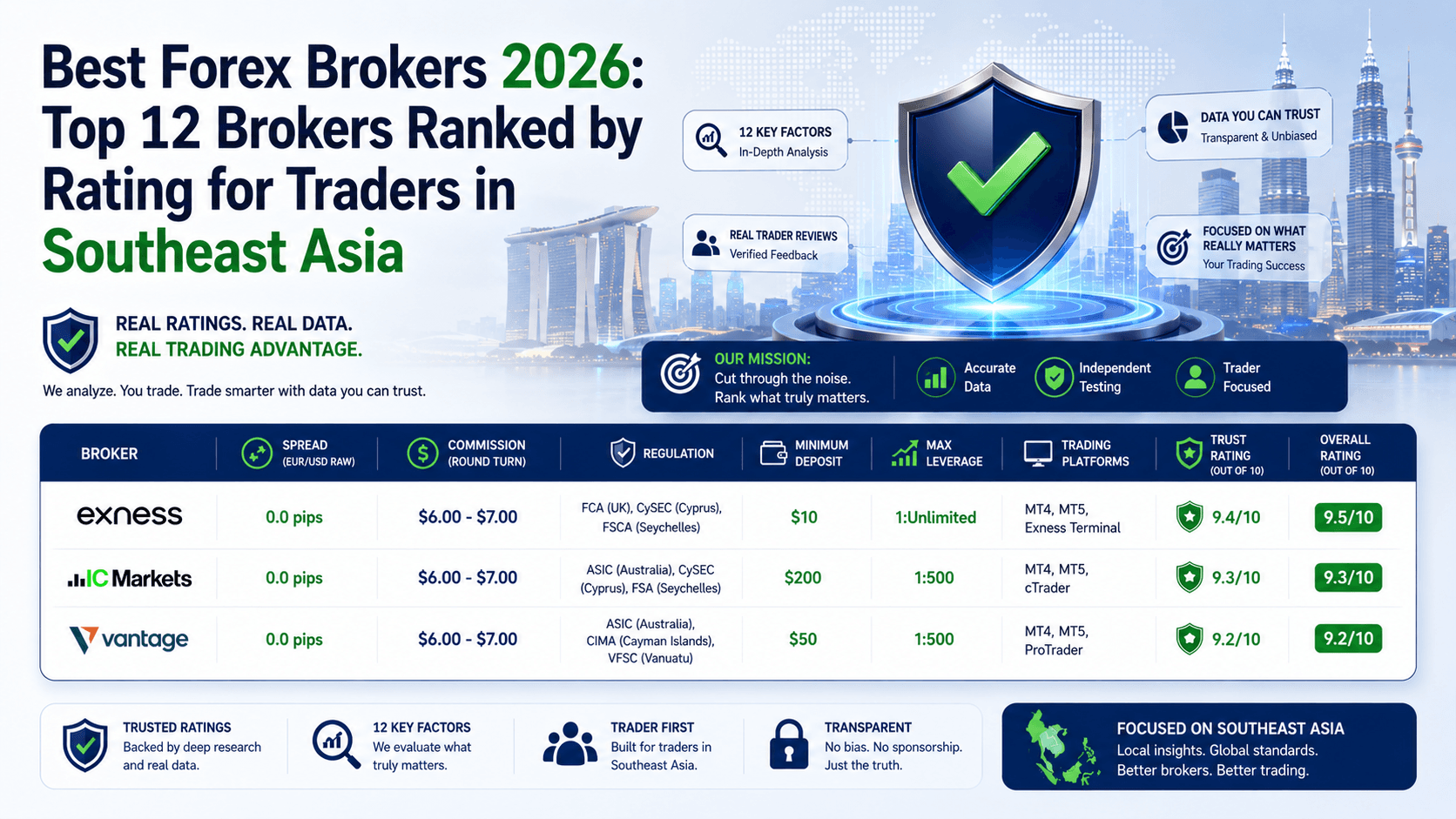
- Regulation — Only use brokers regulated by reputable authorities (FCA, ASIC, CySEC, etc.)
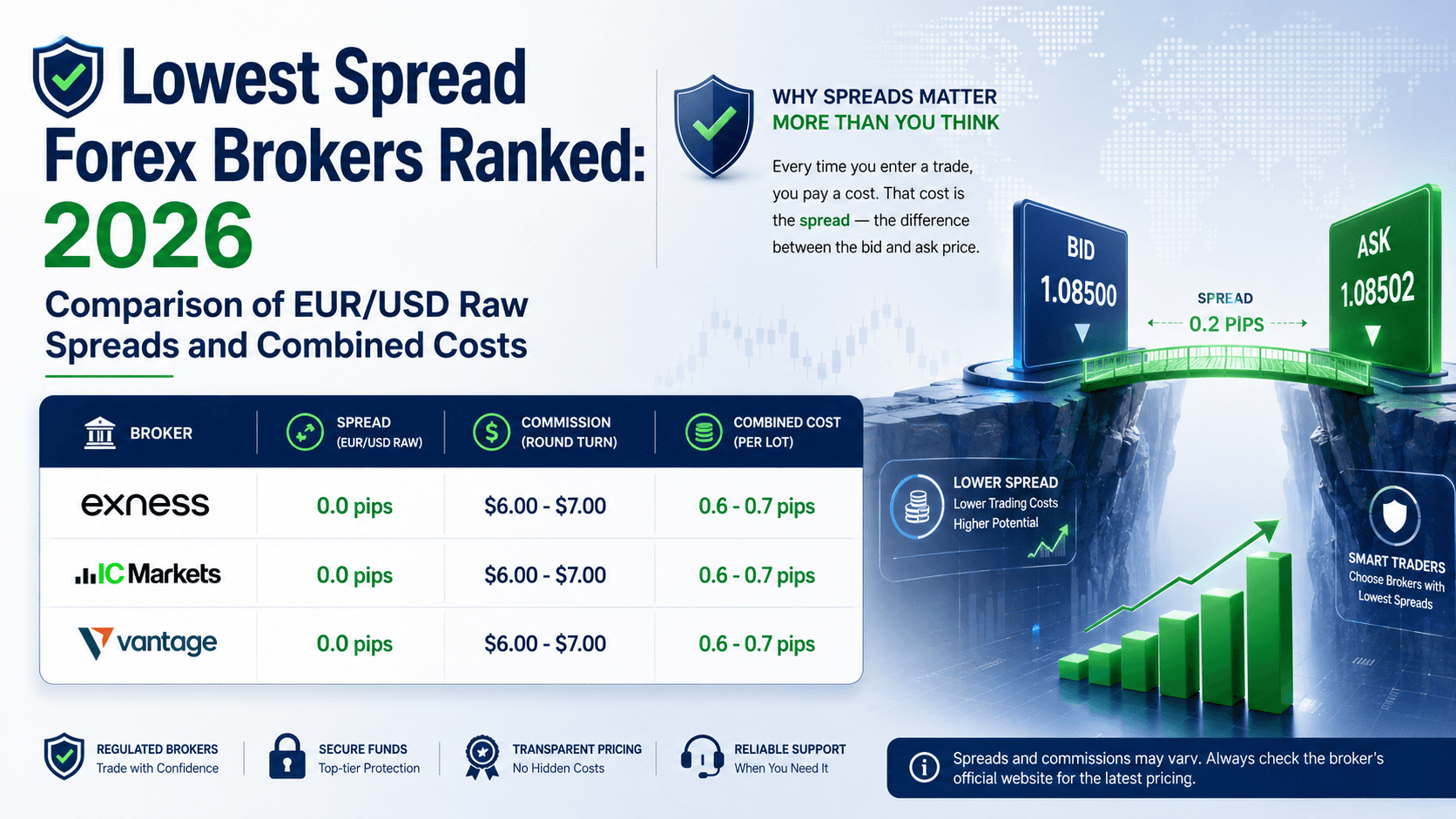
- Low spreads — The difference between buy and sell price. Lower is better.
- Demo account — Must have one. Practice before you risk real money.
- Minimum deposit — Many brokers let you start with as little as $50-$100.
💡 My advice: Open a demo account first. Most brokers give you $10,000-$50,000 in virtual money. Trade for at least 2-3 weeks before depositing real cash.
Step 3: Build a Simple Trading Plan
Most beginners skip this step. They jump in, place a trade based on a "feeling," and wonder why they lose money.
A trading plan doesn't need to be complicated. Here's a simple one:
| Element | Your Answer |
|---|---|
| Maximum risk per trade | 1-2% of your account (e.g., $10-$20 on a $1,000 account) |
| Which pairs you trade | Start with 1-2 majors (EUR/USD, GBP/USD) |
| When you trade | Most active during London (8am-4pm GMT) or New York (1pm-9pm GMT) sessions |
| Stop loss | Always set it before entering a trade |
| Take profit | Set a target before entering |
Step 4: Place Your First Trade (With Numbers)
Let's walk through a real example.
Scenario: You have a $1,000 account. You see EUR/USD at 1.0850 and believe it will rise. You decide to risk 2% ($20) on this trade.
- You set your stop loss 20 pips below entry at 1.0830
- You set your take profit 40 pips above at 1.0890
- Risk:reward ratio = 1:2 (good)
- You trade 0.1 lots (10,000 units) — each pip = $1
- If stopped out: 20 pips × $1 = $20 loss (2% of account)
- If target hit: 40 pips × $1 = $40 profit (4% gain)
That's it. You don't need complex indicators. You just need a clear plan and the discipline to follow it.
Comparison: Trading Without a Plan vs With a Plan
| Trading Without a Plan | Trading With a Plan |
|---|---|
| Enter trades based on emotion or "tips" | Enter based on analysis and strategy |
| No stop loss — risk unlimited losses | Stop loss set before entry — risk is defined |
| Risk 10-20% per trade (blow up fast) | Risk 1-2% per trade (survive losing streaks) |
| No target — hold losing trades hoping they turn | Take profit set — lock in wins |
| No journal — repeat the same mistakes | Keep a journal — learn from every trade |
The Wrong Way vs The Right Way
The wrong way: You see a "hot tip" on social media that EUR/USD is going to the moon. You deposit $500, use 100:1 leverage, and buy 0.5 lots. Price drops 10 pips and you panic-sell, losing $50. You do this 10 times and your account is gone.

The right way: You spend 2 weeks on a demo account. You learn that EUR/USD moves about 70-100 pips per day. You start with 0.01 lots and risk $2 per trade. After 20 trades, you have a 60% win rate. You're up $24. Not life-changing — but you're LEARNING. And you still have your $1,000 account.
FAQ
Is forex trading risky?
Yes, especially with leverage. But with proper risk management (1-2% per trade, stop losses, and a plan), you can control your risk. Most beginners lose money because they skip these basics.
How much money do I need to start forex trading?
Many brokers let you start with $50-$100. But I recommend at least $500-$1,000 so you can trade micro lots (0.01) and still have room to learn without blowing up.
Can I make a living trading forex?
It's possible, but not as a beginner. Most profitable traders have 2-5 years of experience. Start with the goal of learning, not getting rich. Focus on consistency first.
How long does it take to learn forex trading?
You can learn the basics in 1-2 weeks. But becoming consistently profitable usually takes 6-12 months of practice. That's why demo accounts exist — use them.
📝 Quick Recap
- Forex is trading currency pairs — you buy one, sell the other
- Start with the majors: EUR/USD, GBP/USD, USD/JPY
- Learn pips, lots, and leverage before placing a trade
- Use a demo account for at least 2-3 weeks
- Risk only 1-2% of your account per trade
- Always set a stop loss and take profit before entering
Your Quick Win: Do This in 5 Minutes
Open a demo account with a regulated broker right now. Don't deposit money yet. Just explore the platform. Find EUR/USD on the quote board. Look at the spread (difference between buy and sell price). Place a demo trade — buy 0.01 lots at the current price. Set a stop loss 20 pips below and a take profit 20 pips above. Watch what happens.
That's your first step. No pressure. No risk. Just learning.
The market will be there tomorrow. Take your time.