Ever stared at EUR/USD and wondered what you're actually looking at?
You're not alone.
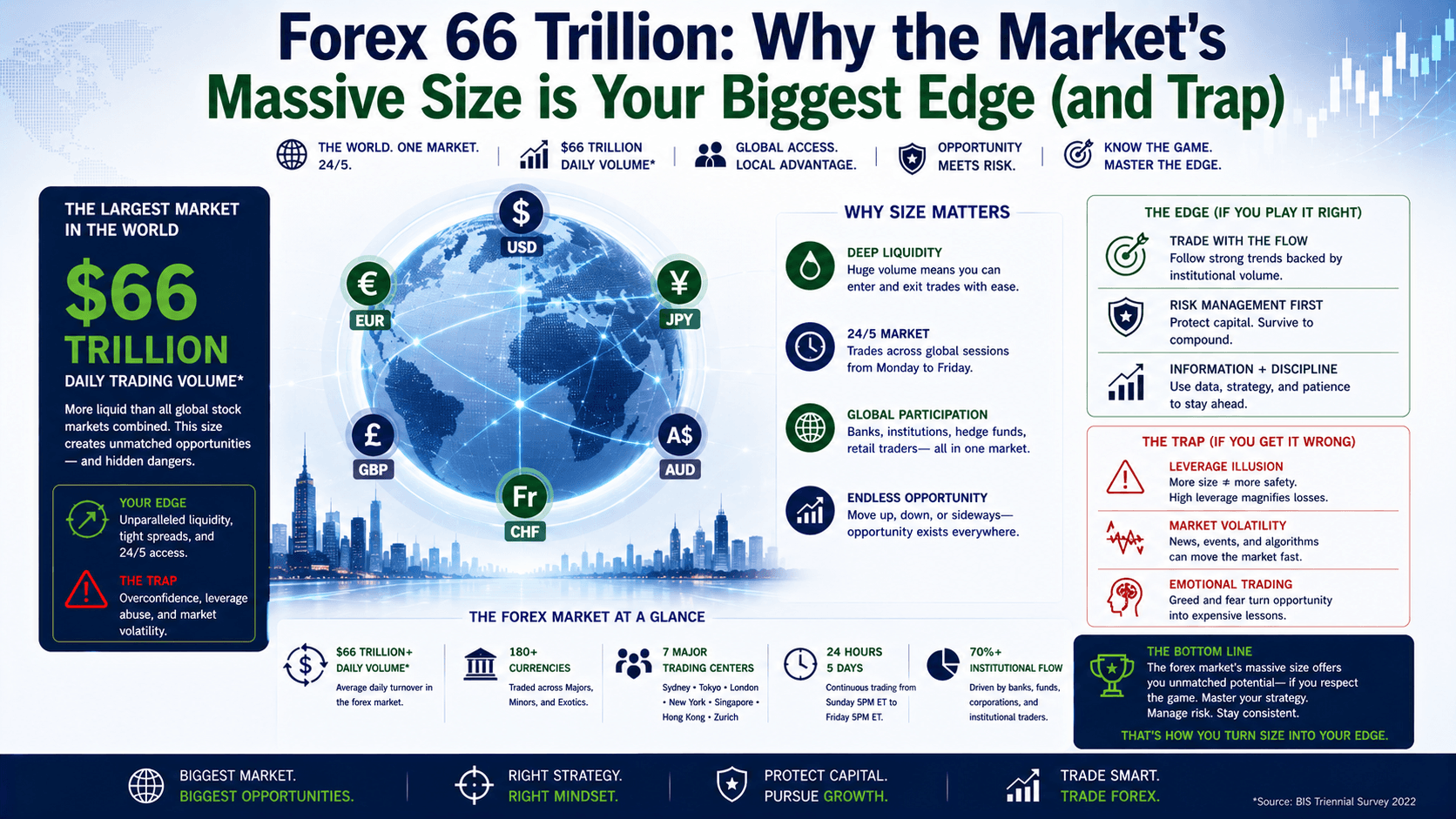
EUR/USD is the most traded currency pair in the world — over $1.25 trillion changes hands every single day. That's trillion with a 't.'
But here's the thing most beginners miss: EUR/USD is not a stock. It's not a commodity. It's a comparison — the value of one currency against another.
And that changes everything about how you trade it.
What is EUR/USD? The Simple Breakdown
EUR/USD is the exchange rate between the Euro (EUR) and the US Dollar (USD).
The Euro is the base currency (always first). The US Dollar is the quote currency (always second).
So when you see EUR/USD at 1.0850, it means 1 Euro costs $1.0850. Simple, right?
But here's where most beginners get confused — and it costs them real money.
The Wrong Way Most Beginners Think
"EUR/USD is at 1.0850. I think the Euro will go up. So I buy."
That's not wrong. But it's incomplete.
What you're really saying is: "I think the Euro will get stronger than the Dollar."
Because EUR/USD doesn't move because of just the Euro. It moves because of the relationship between the Euro and the Dollar.
The Right Way to Think About It
EUR/USD goes UP when:
- The Euro gets stronger (good European news)
- The Dollar gets weaker (bad US news)
- Both — the Euro gets stronger AND the Dollar gets weaker
EUR/USD goes DOWN when:
- The Euro gets weaker (bad European news)
- The Dollar gets stronger (good US news)
- Both
See the difference? You're trading a relationship, not a single currency.
EUR USD Trading Guide: Everything You Need to Know About What Moves the Pair
Let's get specific. Three things move EUR/USD more than anything else:

1. Interest Rates — The Big Dog
This is the #1 driver. Money flows to where it earns the most.
If the Federal Reserve (Fed) raises US interest rates to 5.5% and the European Central Bank (ECB) keeps rates at 4%, guess what happens? Money flows to the US Dollar. EUR/USD drops.
If the ECB raises rates above the Fed? Money flows to the Euro. EUR/USD rises.
Here's a real scenario from early 2026:
The Fed started hinting at rate cuts. The ECB held steady. Result? EUR/USD stayed near 1.18 — because traders priced in a weaker Dollar but a stable Euro.
2. Economic Data — The Daily Drivers
Every month, key reports hit the news. These move EUR/USD by 50-100 pips in minutes.
The ones to watch:
- US Non-Farm Payrolls (NFP) — Jobs report, first Friday of every month
- US Consumer Price Index (CPI) — Inflation data
- US GDP — Economic growth
- Eurozone HICP — European inflation
- ECB & Fed interest rate decisions
Let me show you what happens with real numbers:
It's Friday. NFP comes out at 320,000 jobs added — way above the 200,000 expected. The Dollar strengthens immediately. EUR/USD drops from 1.0850 to 1.0780 in 30 minutes. That's 70 pips. On 0.1 lots, that's $70. On 0.5 lots? $350.
Now imagine you didn't know NFP was coming. You entered a trade 10 minutes before the release. Ouch.
3. Risk Sentiment — The Mood of the Market
The US Dollar is a safe-haven currency. When the world gets nervous, money flows into the Dollar.
The Euro is considered a risk-on currency. When the world feels optimistic, money flows into the Euro.
So when geopolitical tensions rise — trade wars, conflicts, uncertainty — EUR/USD tends to fall, even if European data is good.
When to Trade EUR/USD — Timing Is Everything
EUR/USD doesn't move equally all day. If you trade at the wrong time, you'll sit there watching the price go nowhere while your spread eats your account.
| Trading Session | Time (GMT) | Volatility | Best For |
|---|---|---|---|
| London Open | 7:00 AM - 8:00 AM | Medium | Getting in early |
| London-New York Overlap | 1:00 PM - 4:00 PM | High | Best trading window |
| New York Close | 4:00 PM - 9:00 PM | Medium-Low | Closing positions |
| Asian Session | 9:00 PM - 7:00 AM | Low | Avoid for beginners |
The sweet spot? The London-New York overlap — 1:00 PM to 4:00 PM GMT. That's when the big banks are active. Spreads are tightest. Moves are cleanest.
The 5 Mistakes I See Beginners Make on EUR/USD
I've been trading this pair for over a decade. I've made every mistake in the book. Here are the ones that hurt the most:
Mistake #1: Trading Without Knowing the News
You see a beautiful technical setup. You enter. Five minutes later, NFP drops and your trade goes 50 pips against you in seconds.
Fix: Check the economic calendar before you enter. Avoid trading 30 minutes before and after major releases.
Mistake #2: Overtrading During Slow Hours
It's 11 PM GMT. You're bored. You enter a trade. The price moves 3 pips in 2 hours. Your spread costs you $2. You close for a loss.
Fix: Trade only during high-volume hours. Fewer trades during quality time beat constant trading every time.
Mistake #3: Ignoring the Daily Chart
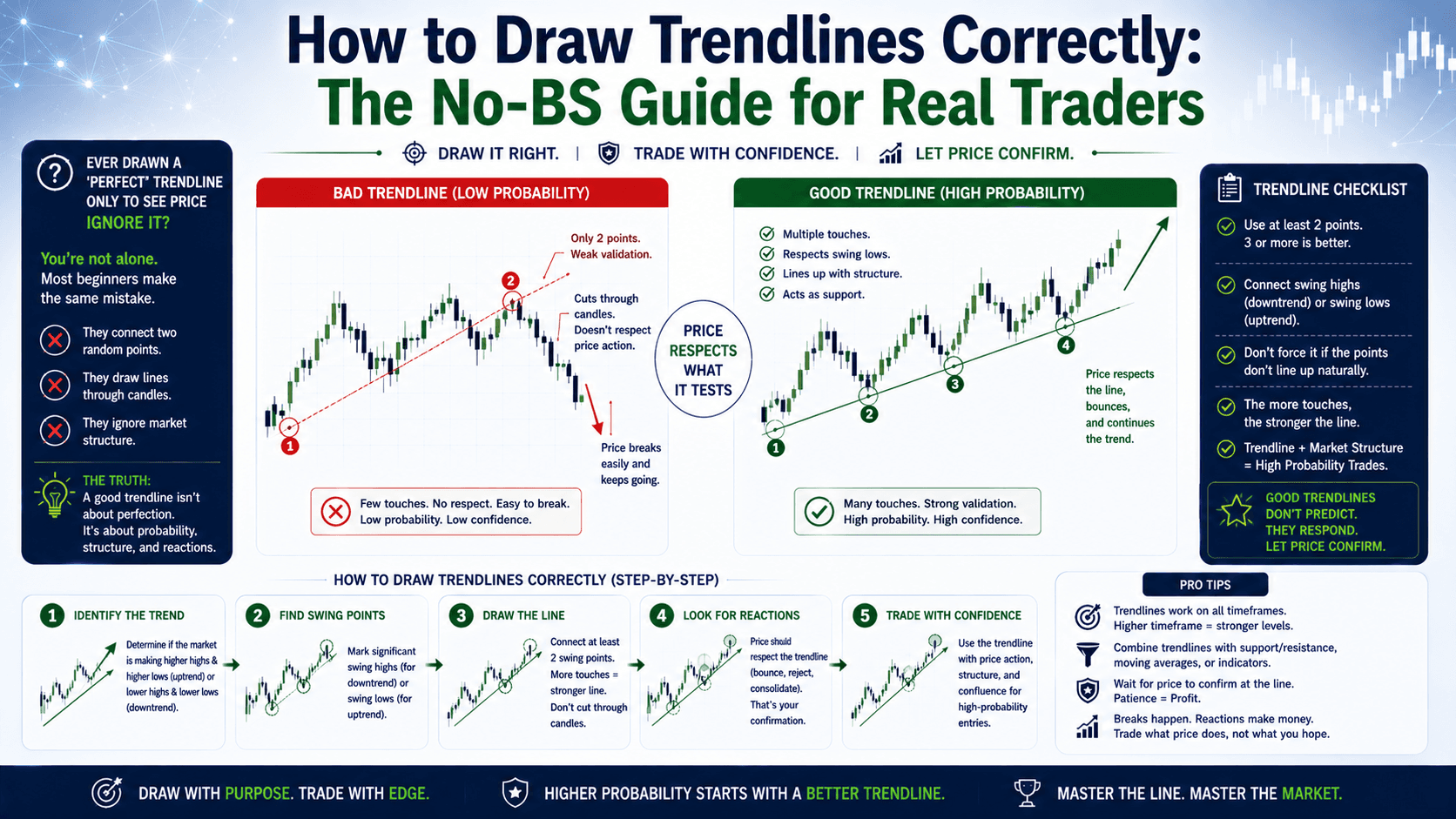
You see a sell signal on the 5-minute chart. You short EUR/USD. But on the daily chart, the pair has been trending UP for 3 weeks. You just sold into a rising trend.
Fix: Check the daily chart first. If the daily trend is up, only look for buy setups on lower timeframes.
Mistake #4: Using Too Much Leverage
You have a $500 account. You use 50:1 leverage and open a 0.5 lot position. EUR/USD moves 20 pips against you. You lose $100 — 20% of your account. One trade.
Fix: Risk 1-2% per trade. On a $500 account, that's $5-$10 max risk per trade.
Mistake #5: Chasing Breakouts
EUR/USD breaks above resistance at 1.0900. You buy immediately. Price goes to 1.0910, then reverses back to 1.0880. You're stopped out.
Fix: Wait for a pullback to the breakout level before entering. Let the market prove the breakout is real.
How to Read the EUR/USD Quote Like a Pro
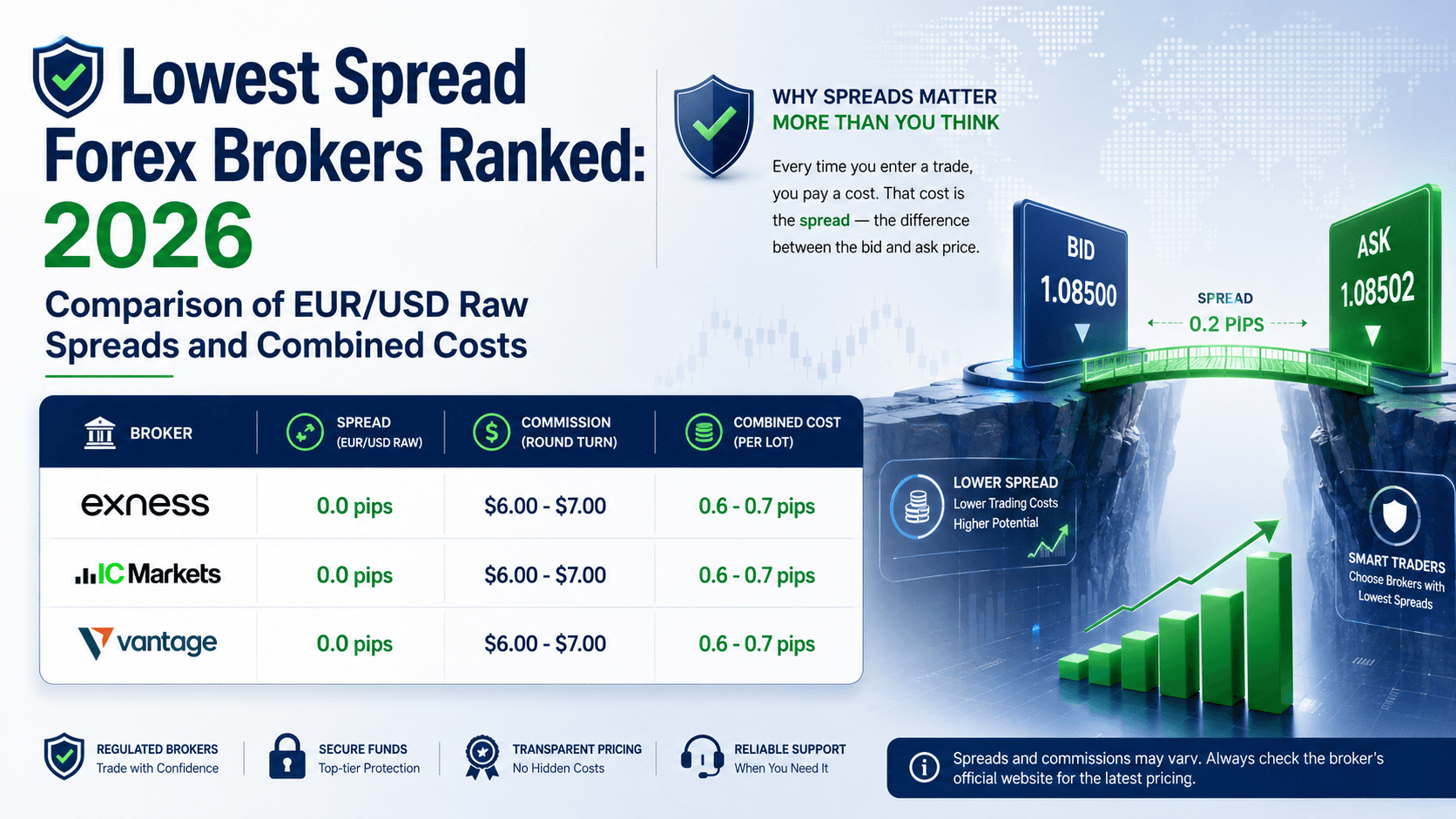
Brokers show two prices:
- Bid Price: What you get if you SELL (slightly lower)
- Ask Price: What you pay if you BUY (slightly higher)
The difference is the spread, measured in pips.
For EUR/USD, the spread is typically 0.5 to 1.5 pips during high-volume hours. That's $0.50 to $1.50 on 0.1 lots. Pretty cheap compared to other pairs.
FAQ
Is EUR/USD good for beginners?
Yes. EUR/USD has tight spreads, high liquidity, and predictable movements. It's the best pair for learning forex trading.

How much money do I need to start trading EUR/USD?
Most brokers let you open an account with $100-$500. With micro lots (0.01), you can trade with very low risk while you learn.
What is the best time to trade EUR/USD?
The London-New York session overlap (1:00 PM - 4:00 PM GMT). That's when volume and volatility are highest, giving you the cleanest moves.
Can I trade EUR/USD on my phone?
Yes. Most brokers offer mobile trading apps. But for analysis, use a desktop or tablet — you need a bigger screen to see the charts clearly.
Quick Recap
- EUR/USD is the relationship between the Euro and the Dollar, not a single currency
- Interest rates from the Fed and ECB are the biggest drivers
- Trade during the London-New York overlap for best results
- Check the daily chart before entering any trade
- Risk 1-2% per trade — protect your account
Your Quick Win
Open your chart right now. Pull up EUR/USD on the daily timeframe. Look at the last 20 candles.
Is the pair trending up, down, or sideways? Write it down.
Now switch to the 1-hour chart. Find the last 3 times price hit a support or resistance level. Notice how it reacted.
That's your first EUR/USD analysis. Do this every day for a week, and you'll start seeing the patterns.
You've got this.