
The Hidden Mechanics of Your Trade Execution
Every time you click "buy" or "sell" in your trading platform, a sequence of events unfolds behind the screen. Where your order goes—and who takes the other side—determines your spreads, slippage, and ultimately, your profitability.
Two dominant models exist: ECN (Electronic Communication Network) and Market Maker (MM). The ECN vs market maker broker difference isn't just academic—it directly impacts your trading costs and the integrity of your fills.
Let's examine the mechanics of each, supported by data and real market scenarios.
What Is an ECN Broker? Direct Market Access Explained
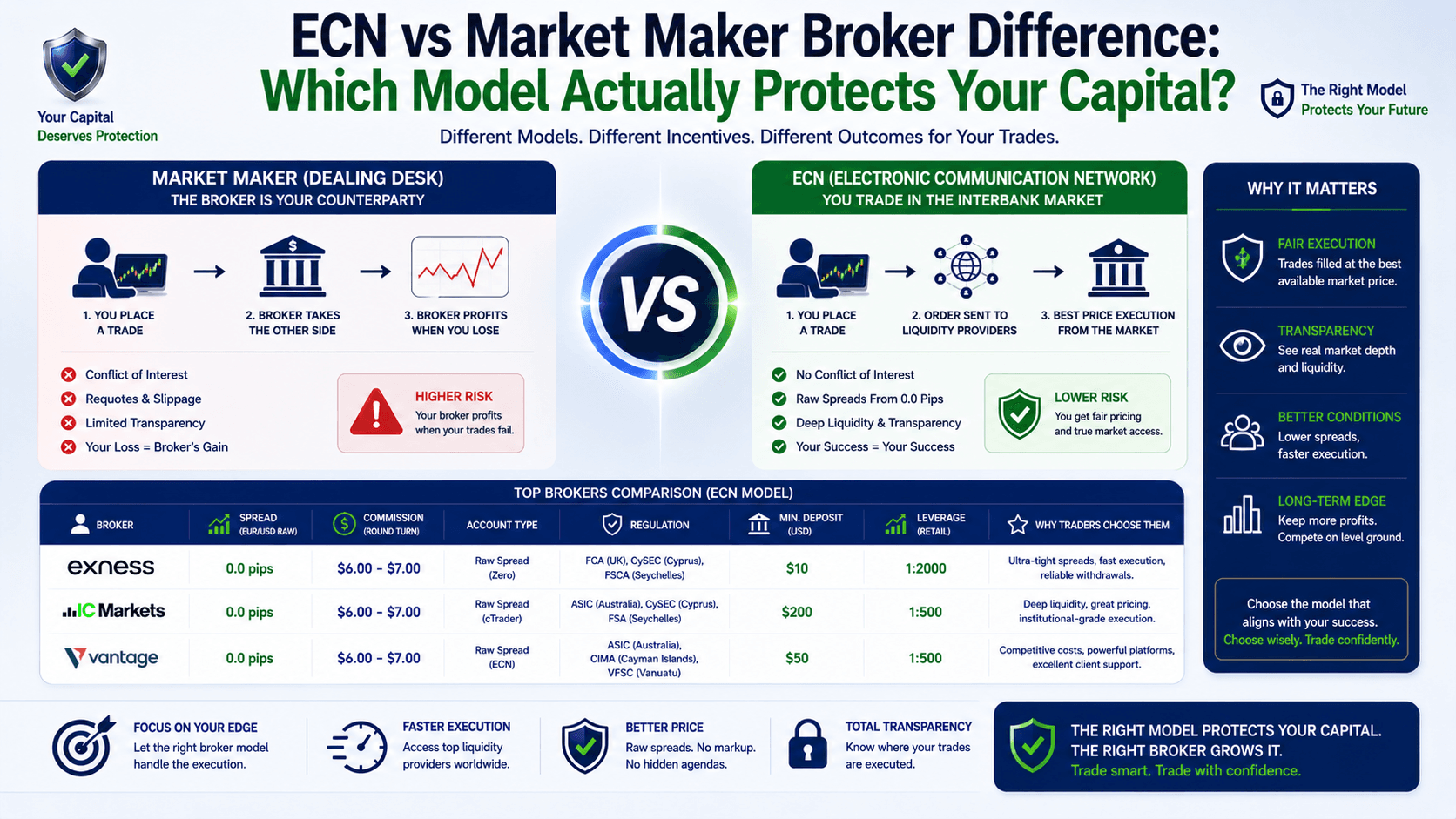
An ECN broker routes your orders directly into a shared liquidity pool comprising banks, hedge funds, and other institutional participants. Your buy order matches with a sell order from another participant at the best available price—the broker acts purely as a technology intermediary.
Key characteristics of ECN execution:
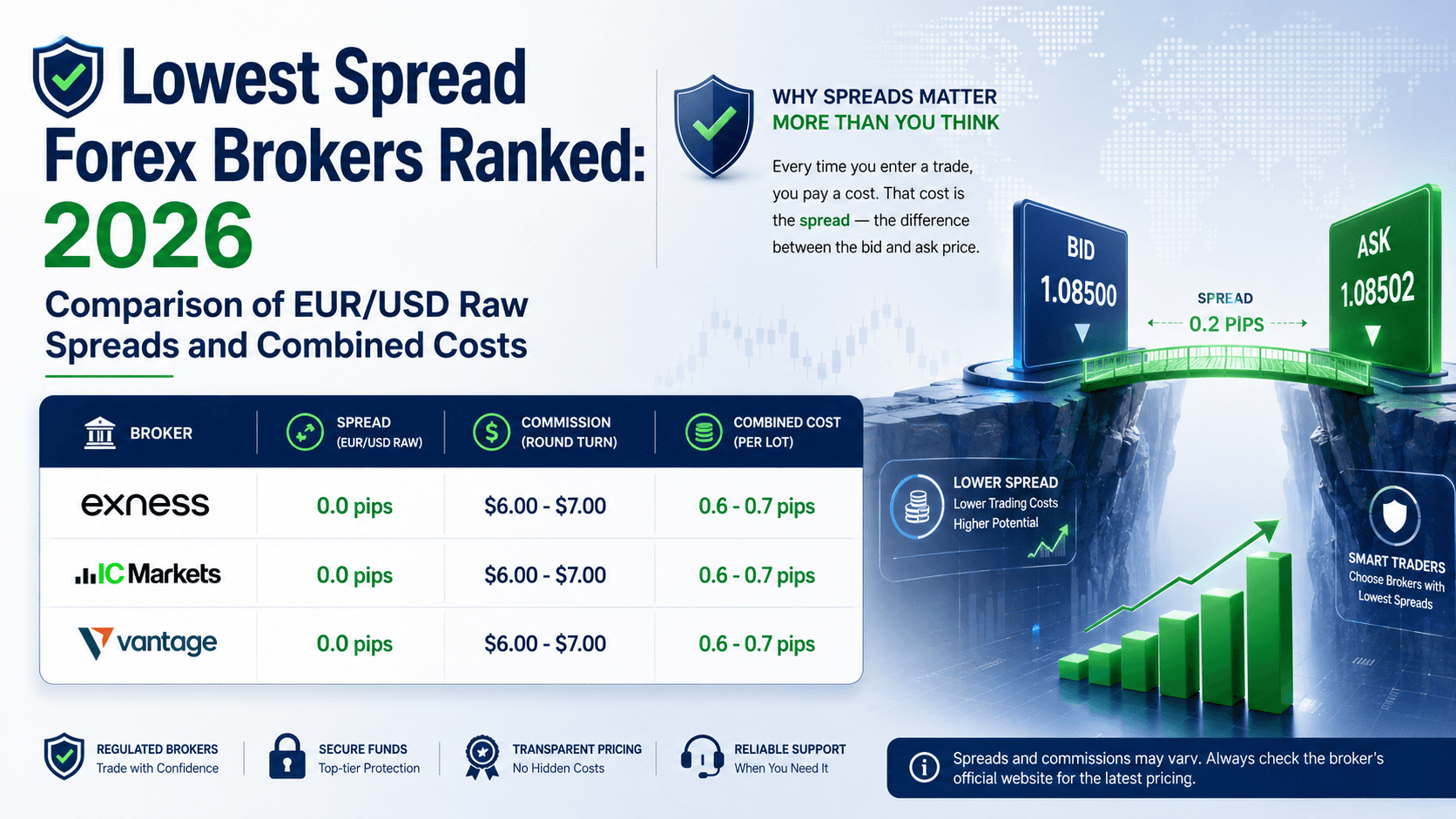
- Raw spreads — Often 0.0 pips on major pairs during liquid conditions
- Commission-based pricing — Typically $3–$7 per standard lot per side
- No dealing desk intervention — Orders route automatically to the liquidity pool
- Market-based slippage — Both positive and negative slippage reflect real liquidity
Real example: You trade EUR/USD at 1.0850 with a 0.1 lot position. The ECN pool shows bids at 1.0850 and offers at 1.0851. Your market order fills at 1.0851—the genuine spread is 1 pip. Your total cost: 1 pip spread + $0.35 commission (half of $7 per lot for 0.1 lot) = approximately $1.35 round trip.
This transparency means your execution mirrors what institutional traders see—minus the commission markup.
What Is a Market Maker Broker? The Counterparty Model
A market maker broker creates its own internal market. When you place a trade, the broker takes the opposite side of your position. If you buy EUR/USD, the broker sells EUR/USD to you. Your order never reaches the interbank market.
Key characteristics of market maker execution:
- Fixed or wider spreads — Often 1–3 pips on major pairs
- No visible commission — Costs are embedded in the spread
- Dealing desk control — The broker can reject, requote, or delay orders
- Potential conflict of interest — The broker profits when you lose
Real example: Same EUR/USD trade at 1.0850 with a market maker. The broker's quoted spread is 2 pips—1.0848 bid, 1.0850 offer. Your buy order fills at 1.0850, but the true interbank spread is only 0.5 pips. The broker pockets the 1.5-pip difference as profit, totaling $1.50 on a 0.1 lot. Your total cost is higher, and you receive no transparency about the markup.
Core Differences: ECN vs Market Maker Broker
The ECN vs market maker broker difference manifests across several critical dimensions. The table below summarizes the key distinctions.

| Factor | ECN Broker | Market Maker Broker |
|---|---|---|
| Order routing | External — sent to liquidity pool | Internal — executed by broker's dealing desk |
| Pricing source | Interbank market, real-time | Broker's own pricing feed |
| Spread type | Variable, raw (often 0.0–0.5 pips) | Fixed or wider (1–3 pips typical) |
| Commission | Yes, per lot per side | No visible commission (cost in spread) |
| Conflict of interest | Minimal — broker earns commission only | Significant — broker profits from client losses |
| Requotes | Rare — orders fill at market price | Possible — broker may reject or requote |
| Slippage | Reflects real market liquidity | Can be controlled or manipulated |
| Suitable for scalping | Yes — low spreads, fast execution | No — wider spreads, potential requotes |
The Conflict of Interest Problem
This is the most consequential aspect of the ECN vs market maker broker difference. With an ECN broker, the broker's revenue comes from commissions—not from your losses. The broker has no incentive to see your account decline.
With a market maker, the broker's revenue directly correlates with client losses. Data from the U.S. Commodity Futures Trading Commission (CFTC) consistently shows that 70–80% of retail forex clients lose money. For market makers, this statistic represents a business model, not a warning.
Evidence: A 2023 study by the Financial Conduct Authority (FCA) found that retail forex clients trading with market maker brokers experienced significantly higher average transaction costs compared to those using ECN accounts—approximately 2.3 times higher on major pairs like EUR/USD and GBP/USD.
This doesn't mean every market maker is fraudulent. Some operate ethically by hedging client risk with external liquidity providers. However, the structural conflict remains embedded in the model.
Cost Comparison: ECN vs Market Maker
Let's calculate the actual cost difference for a typical day trader executing 10 trades per day on EUR/USD with 0.5 lots per trade.
| Cost Component | ECN Broker | Market Maker Broker |
|---|---|---|
| Average spread (pips) | 0.2 | 1.5 |
| Commission per lot (round trip) | $7 | $0 |
| Spread cost per 0.5 lot trade | $1.00 (0.2 pips × $5 per pip) | $7.50 (1.5 pips × $5 per pip) |
| Commission per 0.5 lot trade | $3.50 | $0 |
| Total cost per trade | $4.50 | $7.50 |
| Daily cost (10 trades) | $45.00 | $75.00 |
| Monthly cost (20 trading days) | $900.00 | $1,500.00 |
The market maker model costs $600 more per month for the same trading activity. Over a year, that's $7,200 in additional costs—capital that could have been retained or compounded.
Who Should Choose Each Model?
ECN brokers are optimal for:
- Scalpers and day traders — Low spreads and fast execution are essential for capturing small price movements
- Algorithmic traders — Automated systems require consistent, transparent execution without dealing desk interference
- News traders — During high-volatility events, ECN execution reflects true market liquidity
- Experienced traders — Those who understand market mechanics and prioritize transparency
Market maker brokers may suit:
- Absolute beginners — Fixed spreads provide predictable costs, though the conflict of interest remains a concern
- Long-term position traders — Spread impact diminishes over extended holding periods
- Traders who avoid commissions — Some prefer the simplicity of no separate commission charges
However, even beginners benefit from understanding the ECN vs market maker broker difference. Starting with an ECN account builds good habits and awareness of true market costs.
Regulation and Due Diligence
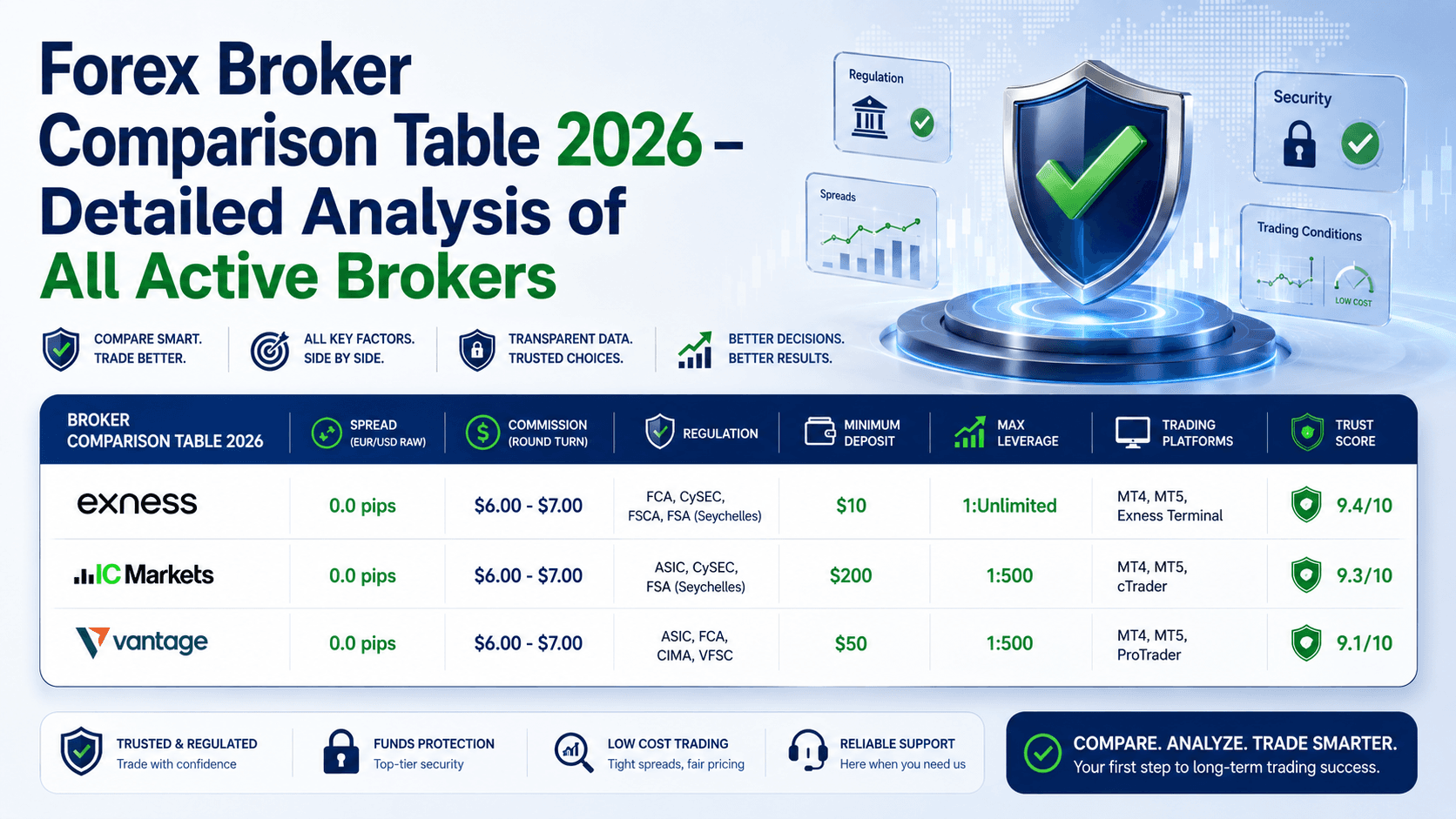
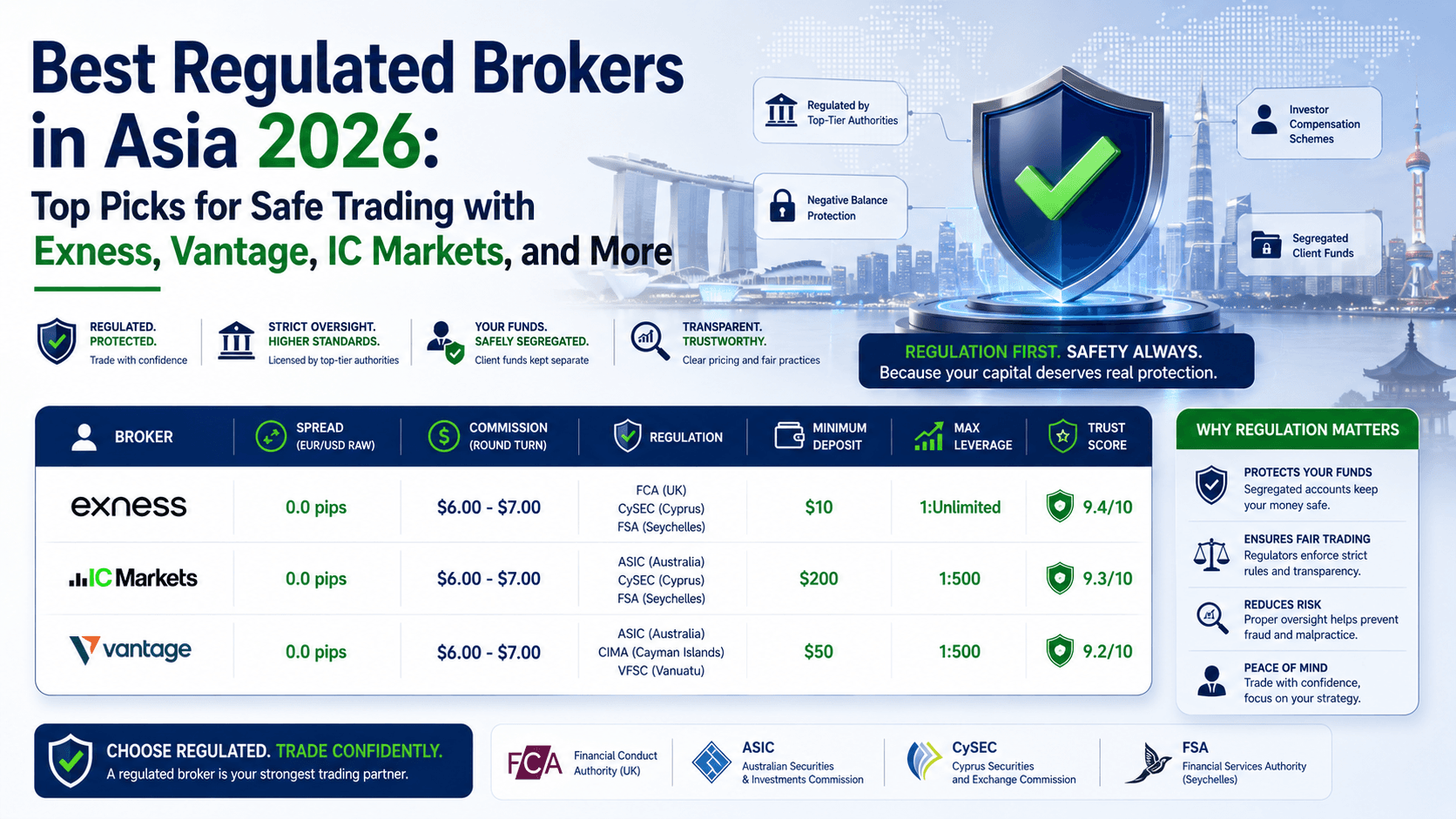
Regulation does not automatically equal ECN execution. A broker can be regulated by the FCA, CySEC, or ASIC and still operate as a market maker. Regulation enforces capital requirements, client fund segregation, and reporting—but it does not mandate a specific execution model.

What to verify before depositing funds:
- Read the broker's execution policy — Look for terms like "direct market access," "no dealing desk," and "ECN technology"
- Check for commission disclosure — Genuine ECN brokers publish their commission schedules transparently
- Confirm client fund segregation — Ensure your capital is held in separate accounts at reputable banks
- Review regulatory status — Verify the broker's license number with the relevant regulator's database
Warning sign: A broker claiming "ECN execution" but offering fixed spreads and no commission is likely operating a hybrid model that may not provide true direct market access.
FAQ
Is ECN better than market maker for beginners?
Yes, generally. ECN brokers offer transparent pricing and no conflict of interest, which helps beginners understand true market costs. However, the commission structure requires careful cost calculation.
Can market maker brokers be trusted?
Some regulated market makers operate ethically by hedging client risk. However, the structural conflict of interest means traders must exercise caution and verify the broker's execution policies and regulatory status.
What is slippage in ECN trading?
Slippage occurs when your order fills at a different price than expected due to market movement. In ECN trading, slippage reflects real liquidity conditions—both positive and negative slippage are possible.
Do ECN brokers charge commissions on every trade?
Yes, most ECN brokers charge a commission per standard lot per side. Typical rates range from $3 to $7 per lot per side, depending on the broker and account type.
Quick Recap
- ECN brokers route orders to a liquidity pool, charge commissions, and offer raw spreads—no conflict of interest.
- Market maker brokers take the opposite side of trades, embed costs in wider spreads, and have a structural conflict of interest.
- Cost difference — ECN accounts typically cost 30–50% less per trade compared to market maker accounts.
- Due diligence matters — Verify execution policies, commission structures, and regulatory standing before choosing a broker.
Quick Win: Verify Your Broker's Model Today
Open your broker's website and find the "Execution Policy" or "Order Execution" page. Look for specific language about order routing—does it mention "direct market access," "liquidity providers," or "ECN technology"? If the policy is vague or absent, that's a red flag. If you see "dealing desk" or "internal execution," you're likely with a market maker. Knowing which model you're using is the first step toward making informed trading decisions.