
Ever sat in front of your charts at 3 AM ET, ready for the London open, and wondered… "Which pair should I actually trade right now?"
You're not alone. Most beginners pick a random pair — EUR/USD because it's popular, or GBP/JPY because someone said it's "volatile." Then they wonder why their trades go nowhere while the market moves without them.
Here's the truth: Not all pairs are made for the London session. Trade the wrong one, and you're fighting the market's natural rhythm. Trade the right one, and you ride the wave.
Let me show you the best pairs to trade London session — and exactly why they work.
Why the London Session Matters (And Why Most Beginners Get It Wrong)
The London session is the heart of the forex market. It accounts for roughly 35% of all global forex volume. That's $2+ trillion flowing through every single day.
But here's what beginners miss: Not every pair has volume during London hours.
Think of it like a party. The London session is the main event — but some guests (currencies) are still sleeping. If you try to trade USD/JPY during London hours, you're basically dancing alone. The Japanese Yen isn't active yet. The US Dollar is still in bed.
The result? Low liquidity. Wide spreads. Fake breakouts.
So which currencies ARE awake? Let's break it down.
The 3 Currencies That Drive the London Session
During London hours, these are the currencies with real volume:
- GBP (British Pound) — London's home currency
- EUR (Euro) — Frankfurt, Paris, and the Eurozone are active
- CHF (Swiss Franc) — Zurich is open
That's it. Three currencies. Every pair you trade should include at least one of these.
If you're trading a pair like AUD/JPY during London hours, you're trading two "sleeping" currencies. The Aussie is closed. The Yen is closed. You're essentially trading in a ghost town.
⚠️ Common mistake: Beginners see a breakout on USD/JPY during London hours and jump in. But USD/JPY has low volume at this time. That breakout? Probably a fakeout. You get stopped out, then price reverses.
The 4 Best Pairs to Trade London Session
Based on what's actually moving, here are the pairs you should focus on:

| Pair | Why It Works | Typical Spread (pips) | Best For |
|---|---|---|---|
| EUR/USD | Both EUR and USD are active during London-New York overlap | 0.1 - 0.5 | Scalping, day trading |
| GBP/USD | GBP is the star of London; high volatility with decent spreads | 0.5 - 1.5 | Breakout trading, swing trading |
| EUR/JPY | EUR is active; JPY adds volatility from Asian session carryover | 0.5 - 2.0 | Trend trading, momentum |
| GBP/JPY | GBP + JPY = explosive moves; highest volatility of the group | 1.0 - 3.0 | Advanced traders, aggressive strategies |
EUR/USD — The King of London
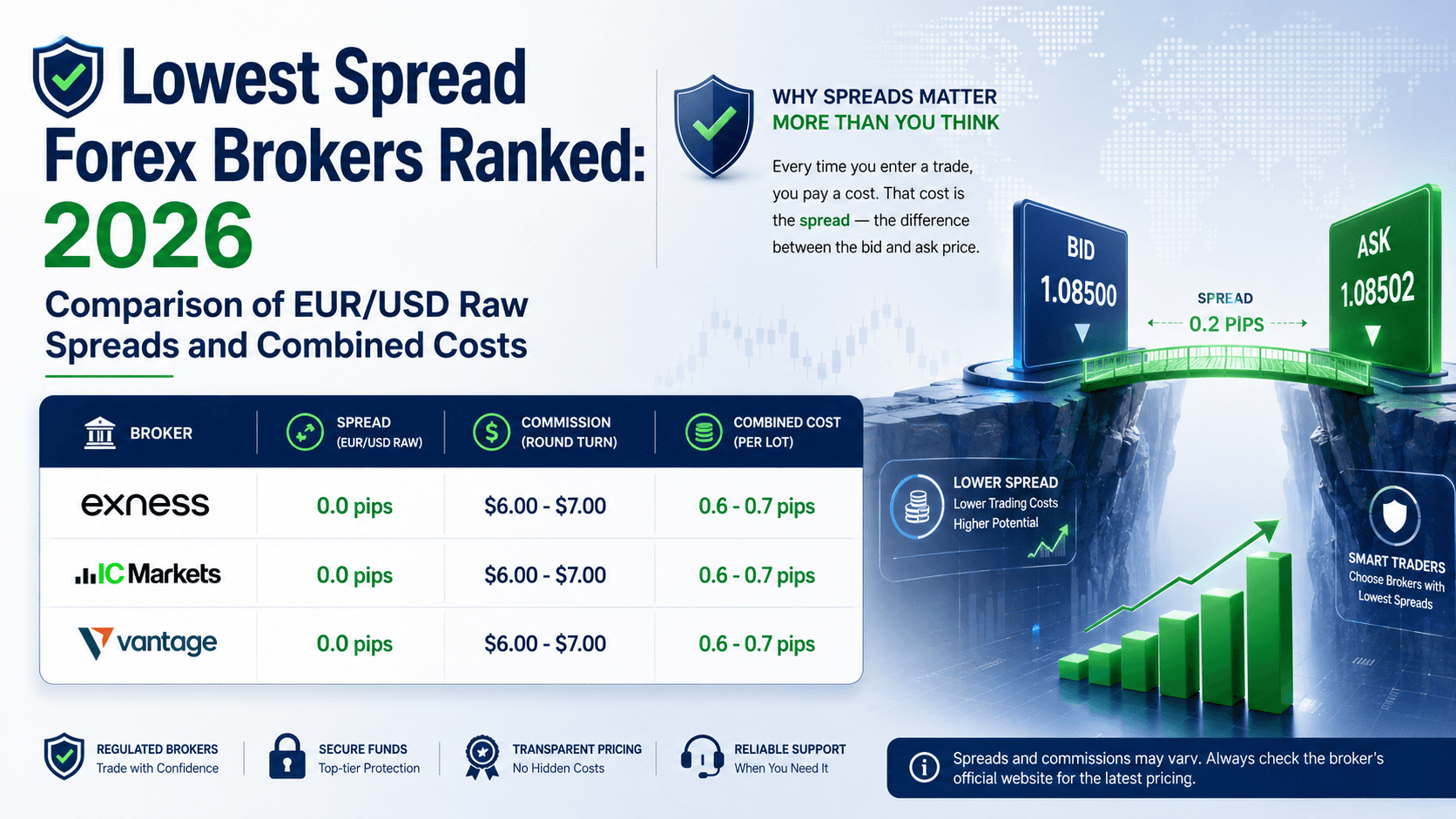
This is the most traded pair in the world, and during London hours, it's at its best. The spread can drop to 0.1 pips — that's almost free to trade.
Here's a real scenario: EUR/USD is at 1.0850. London opens, volume floods in. Price breaks resistance at 1.0860. You go long with a 15-pip stop and a 30-pip target. If it works, you've got a clean 1:2 risk-reward on a pair that moves 80+ pips a day.
On 0.1 lots? That's $15 risk for $30 potential profit. On 0.5 lots? $75 risk for $150 potential. The math works because the liquidity is there.
GBP/USD — The Volatility Machine
GBP/USD is where things get spicy. The Pound moves fast during London hours — average daily range is 100-150 pips.
But here's the trap: beginners see the volatility and think "easy money." They jump in without a plan, get shaken out by a 20-pip dip, then watch price rocket 80 pips without them.
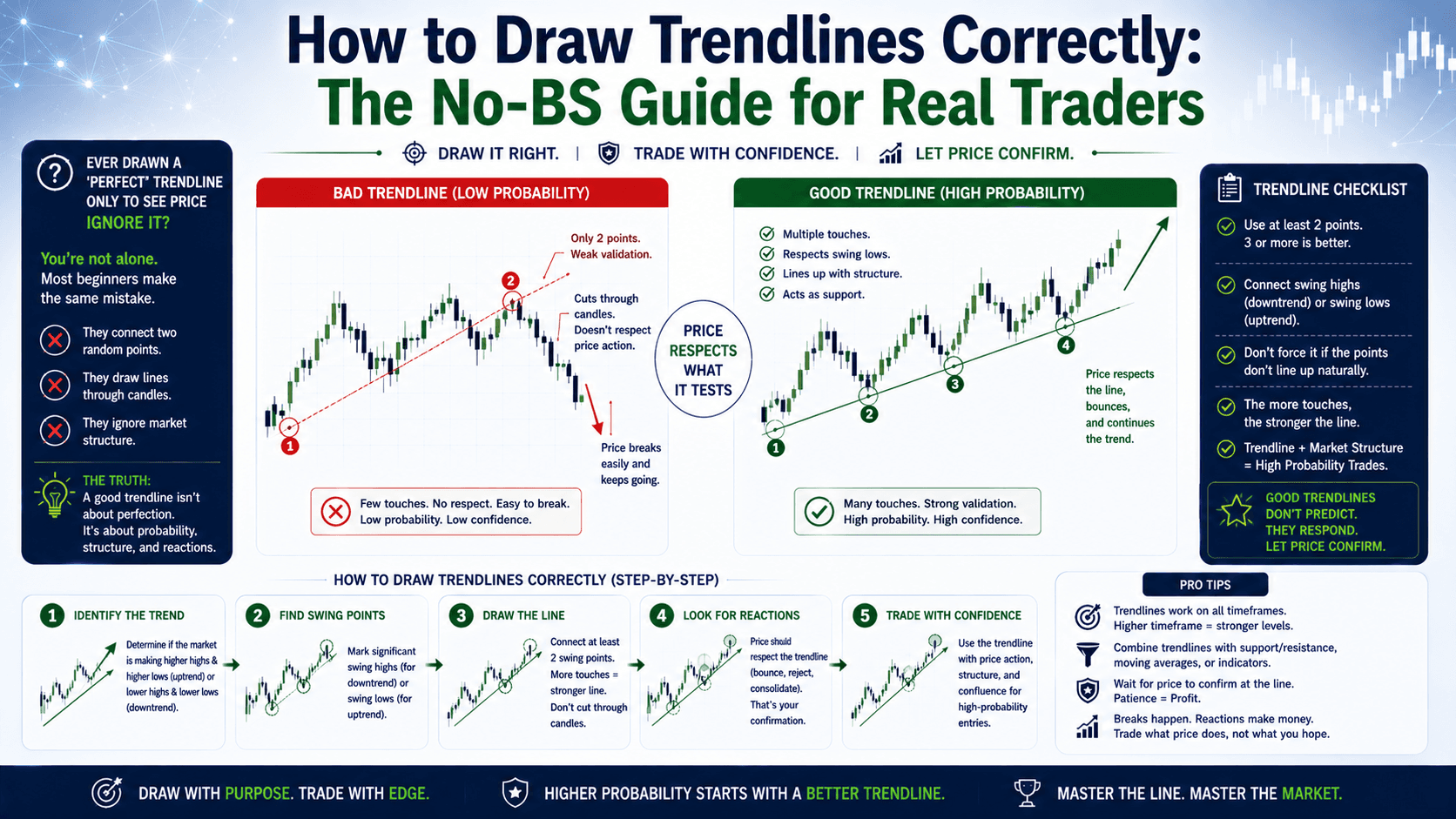
The right way: Wait for a pullback within the London session trend. If GBP/USD is trending up after the open, don't buy the breakout. Wait for a 20-30 pip retracement, then enter with a stop below the recent swing low.
EUR/JPY — The Non-USD Option
If you want to trade something that isn't dominated by the US Dollar, EUR/JPY is a solid choice. The Euro is active during London, and the Yen brings additional volatility from the Asian session carryover.
This pair has a daily range of about 1.9% — that's roughly 150-200 pips on average. But the spread is wider than EUR/USD, so don't try to scalp it. Look for 40-60 pip moves on the 15-minute or 1-hour timeframe.
GBP/JPY — The Advanced Player's Choice
I'll be honest with you: GBP/JPY is not for beginners. It moves 150-250 pips a day during London hours. One wrong trade can blow 5% of your account in minutes.
But if you know what you're doing, it's beautiful. The pair has strong trends during London, and the volatility means you don't need a big stop loss. A 30-pip stop on GBP/JPY is plenty — but that same 30 pips on EUR/USD? You'll get stopped out constantly.
The Wrong Way vs The Right Way
Let me show you what most beginners do — and what you should do instead.
Wrong Way: You open your charts at 3 AM ET. You see EUR/USD moving. You enter a buy at 1.0850 with no plan. Price drops 10 pips. You panic-sell at 1.0840. Then price rallies to 1.0880. You lost $10 on 0.1 lots because you had no strategy.
Right Way: You check the London open. You see GBP/USD has broken above a key resistance level at 1.2650. You wait for a pullback to 1.2630. You enter with a stop at 1.2610 (20 pips) and a target at 1.2690 (60 pips). Risk:reward = 1:3. On 0.1 lots, that's $20 risk for $60 potential. You have a plan. You execute it.
FAQ
What is the best pair to trade during the London session?
EUR/USD is the best overall choice due to its low spreads and high liquidity. GBP/USD is better if you want more volatility. Both are excellent for the London session.

Can I trade USD/JPY during London hours?
You can, but it's not ideal. The Yen is most active during the Asian session, and the US Dollar is still quiet. You'll see lower volume and wider spreads compared to EUR/USD or GBP/USD.
How much capital do I need to trade London session pairs?
You can start with $200-500 if you trade micro lots (0.01). With EUR/USD, a 20-pip stop on 0.01 lots is only $2 risk. Just make sure you're using proper risk management — 1-2% per trade max.
What time does the London session overlap with New York?
The overlap runs from 8 AM to 12 PM ET. This is the most liquid period of the entire trading day, with the highest volume and tightest spreads.
Quick Recap
- London session runs 3 AM - 12 PM ET, with peak volume during the NY overlap (8 AM - 12 PM ET)
- Best pairs: EUR/USD (low spreads), GBP/USD (high volatility), EUR/JPY (non-USD option), GBP/JPY (advanced only)
- Avoid: Pairs without GBP, EUR, or CHF — like AUD/USD, NZD/USD, USD/CAD during London hours
- Strategy: Wait for pullbacks within the trend, use proper risk management, and don't chase breakouts
Quick Win
Open your charts right now. Set the timeframe to 1-hour. Look at EUR/USD and GBP/USD during the last 3 London sessions (3 AM - 12 PM ET). Find 3 times price broke a key level and then retested it before continuing. That's your entry pattern. Start watching for it tomorrow.