What Sets the Top 10% Apart
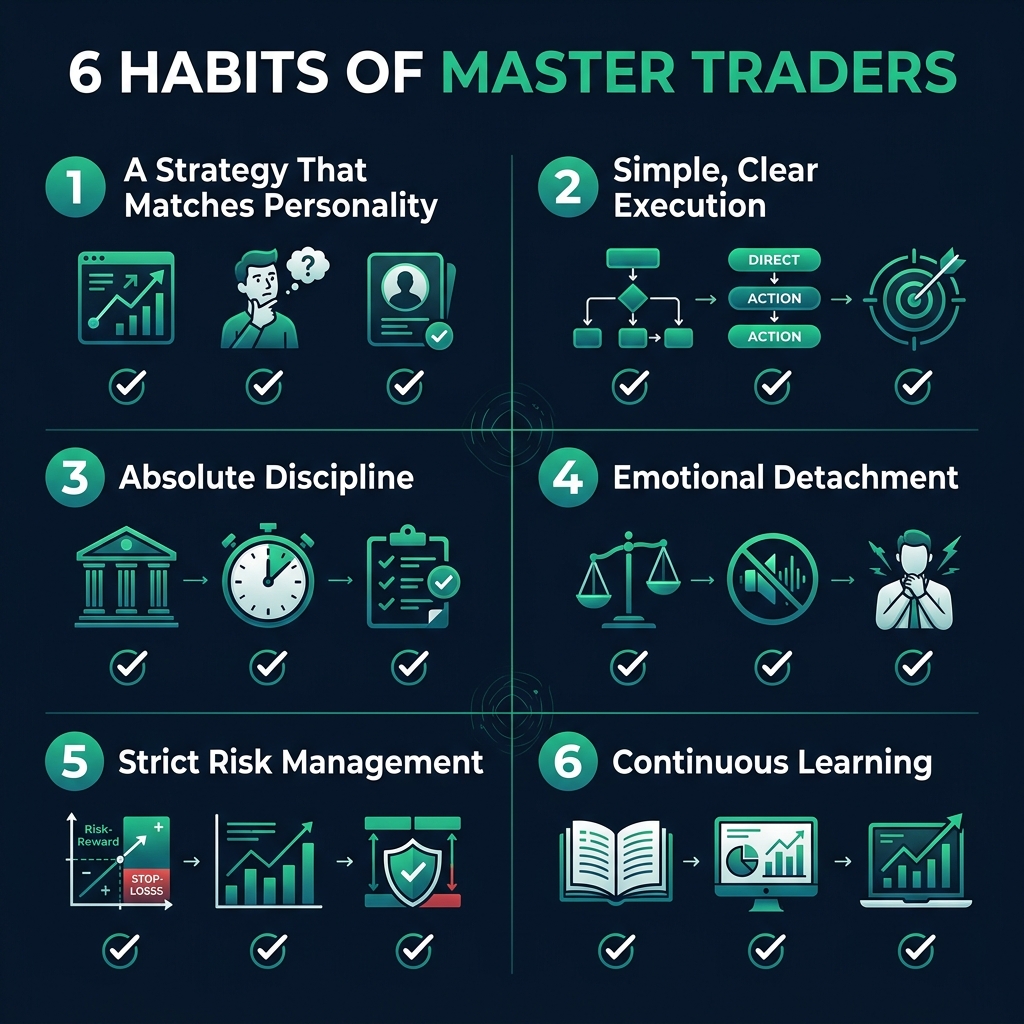
Becoming a consistently profitable trader isn't about luck, predicting the future, or finding a secret "holy grail" indicator. It's about building strong habits and repeating them every single day. Successful trading comes from structure, discipline, and self-control.
Let's look at the specific traits and daily habits that separate the 10% of consistently profitable traders from the 90% who struggle.
1. They Trade Price Action, Not Opinions
One of the greatest strengths of a consistently profitable trader is the ability to trade what they see, not what they think should happen. In the market, your opinion is worthless. Only price pays.
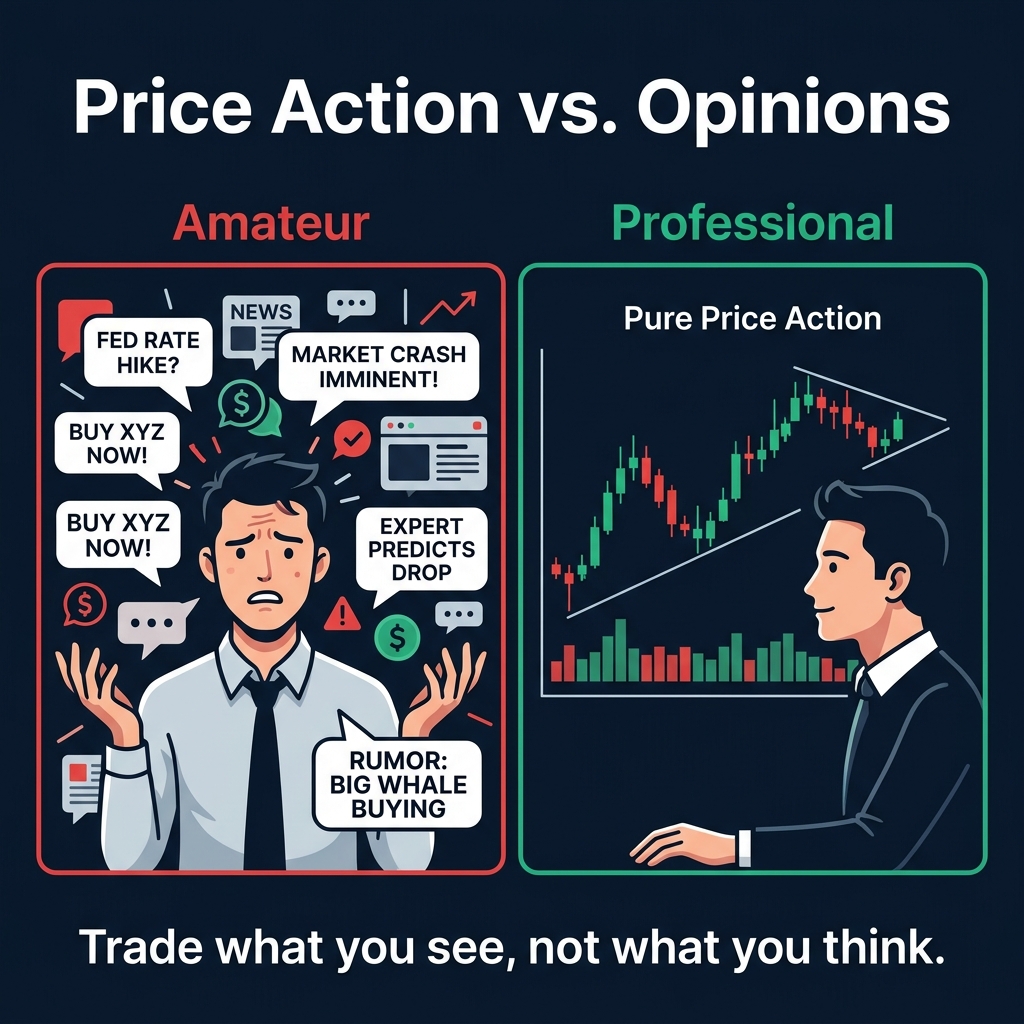
Consider this: You read an article explaining why the Euro must go down because of bad economic data. You sell EUR/USD. But the price immediately starts rising with strong bullish candles. An amateur holds the short position, screaming at the screen because "the news is bad, it should be going down!". A professional takes the small loss, flips their bias, and goes long because price action indicates buyers are in control.
Price action tells the real-time story of buyers and sellers. It is the footprint of institutional money. Master traders follow the footprints; they don't try to dictate where the footprints should go.
2. They Backtest Their Edge
Trading without backtesting is like navigating a maze blindfolded. You're moving, but you don't know if you're actually getting closer to the exit.
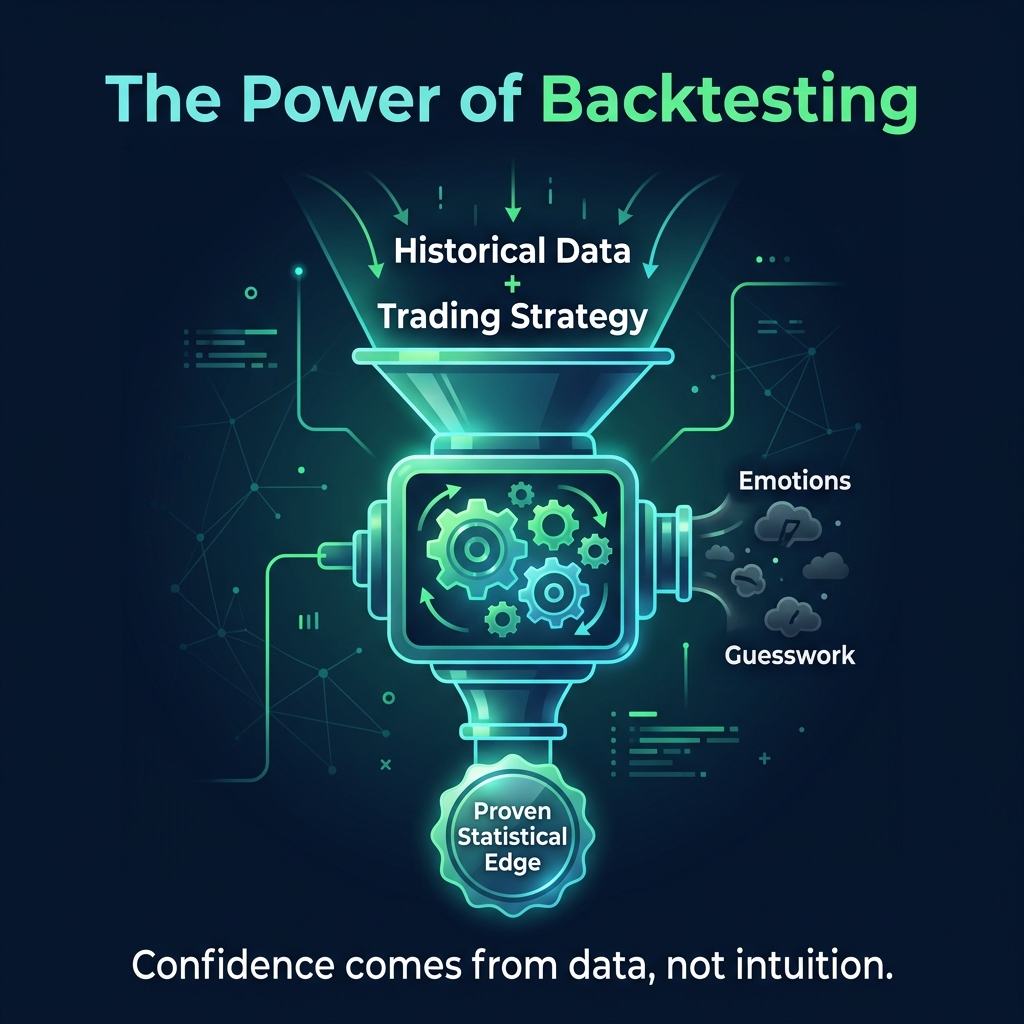
Consistently profitable traders don't just "feel" that a strategy works. They know exactly what their statistical edge is because they have tested it over hundreds of historical setups. Through backtesting, they know:
- Their average win rate (e.g., 55%).
- Their average risk-to-reward ratio (e.g., 1:2).
- Their maximum historical drawdown.
Because they know their numbers, a losing streak of 5 trades in a row doesn't break their psychology. They know it's just a statistical variance within a profitable system.
3. Their Strategy Matches Their Personality
A strategy that doesn't fit your lifestyle and psychology will eventually break down.
- The Impatient/Fast Thinker: Would go crazy swing trading over a matter of weeks. They are better suited to Day Trading or Scalping.
- The Analytical/Busy Professional: Will fail trying to scalp on a 5-minute chart during work meetings. They need Swing Trading or End-of-Day position trading.
Successful traders don't chase the strategy that has the "flashiest" returns on social media. They build a method that is suited to their natural temperament. When a strategy matches your personality, executing it feels effortless.
4. They Are Emotionally Detached
The best traders are emotionally detached from the outcome of any single trade. This doesn't mean they're heartless robots; it means they have trained themselves to think in probabilities rather than certainties.
If you let one loss ruin your mood for the entire day, or one big win inflate your ego so much that you double your risk on the next setup — you are acting fundamentally out of alignment with how probabilities work.
Professionals divide their capital so that single trade only risks 1-2% of their account. By definition, an individual trade cannot hurt them. They focus purely on flawless execution, knowing the math will take care of the profits over a series of 100 trades.
5. They Are Patient with Winners
Amateurs take profits the second a trade goes into the green because they want the emotional dopamine hit of a "win." They'll take a $50 profit on a trade where they were risking $100.
Professionals are infinitely patient with their winning trades. They understand that the only way to be consistently profitable is to ensure your average winner is significantly larger than your average loser. Letting your winners run — by trailing your stop loss or holding to your pre-determined wider targets — is how you achieve exponential growth.
🎯 Your Action Step
Audit your own traits. Write down the 5 traits mentioned in this lesson on a piece of paper. Grade yourself from 1 to 10 on how well you currently embody each trait. Determine which trait is your lowest score, and commit to improving just that one area over your next 10 trades.